August 31, 2026
Metal vs Shingle Roofing in Montana: An Honest Comparison
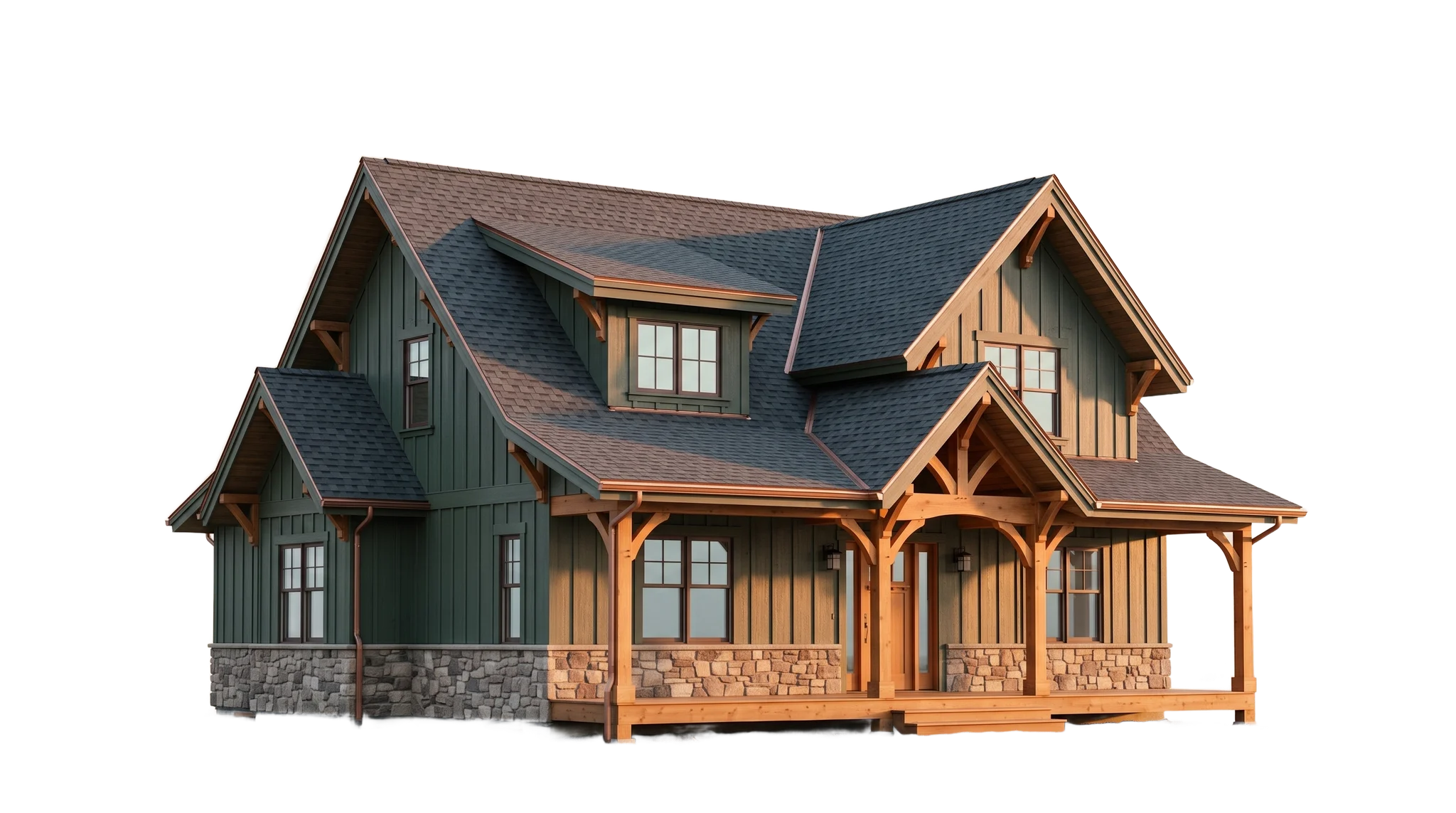
The short answer: Both metal and asphalt shingles work well in Montana when they’re installed correctly, and we install both. Metal wins on raw lifespan and snow shedding; modern Class 4 polymer-modified shingles win on upfront cost, hail forgiveness, and simplicity around complex rooflines. The right answer depends on your roof’s shape, your trees, your driveway and entry locations, and how long you plan to own the house.
We install metal roofs and shingle roofs across the Flathead Valley, so we don’t have a horse in this race. Here’s how the two actually compare in our climate, without the sales pitch either industry likes to run.
Is a metal roof better than shingles in Montana?
Neither is better across the board. Metal is the more durable material and handles heavy snow with less drama. Shingles cost less up front, handle hail impacts more gracefully than exposed-fastener metal panels, and are easier to repair and to detail around dormers, valleys, and chimneys. In Kalispell, where the state lists a ground snow load of 50 pounds per square foot and Montana code requires roofs designed for at least a 30 psf roof snow load, both systems are engineered to carry the weight. The differences show up in how they behave through the winter, not whether they survive it.
So the honest comparison runs category by category.
Snow: shedding versus holding
This is the biggest practical difference in the Flathead, and it cuts both ways.
Kalispell averages roughly 56 inches of snow per year, about twice the national average, with December and January each dropping around 11 inches on average. A smooth standing seam metal roof sheds that snow. On a sunny February day, an entire slope can release at once. That’s a genuine advantage for the structure: less sustained load, less meltwater sitting against the roof surface, fewer ice dams.
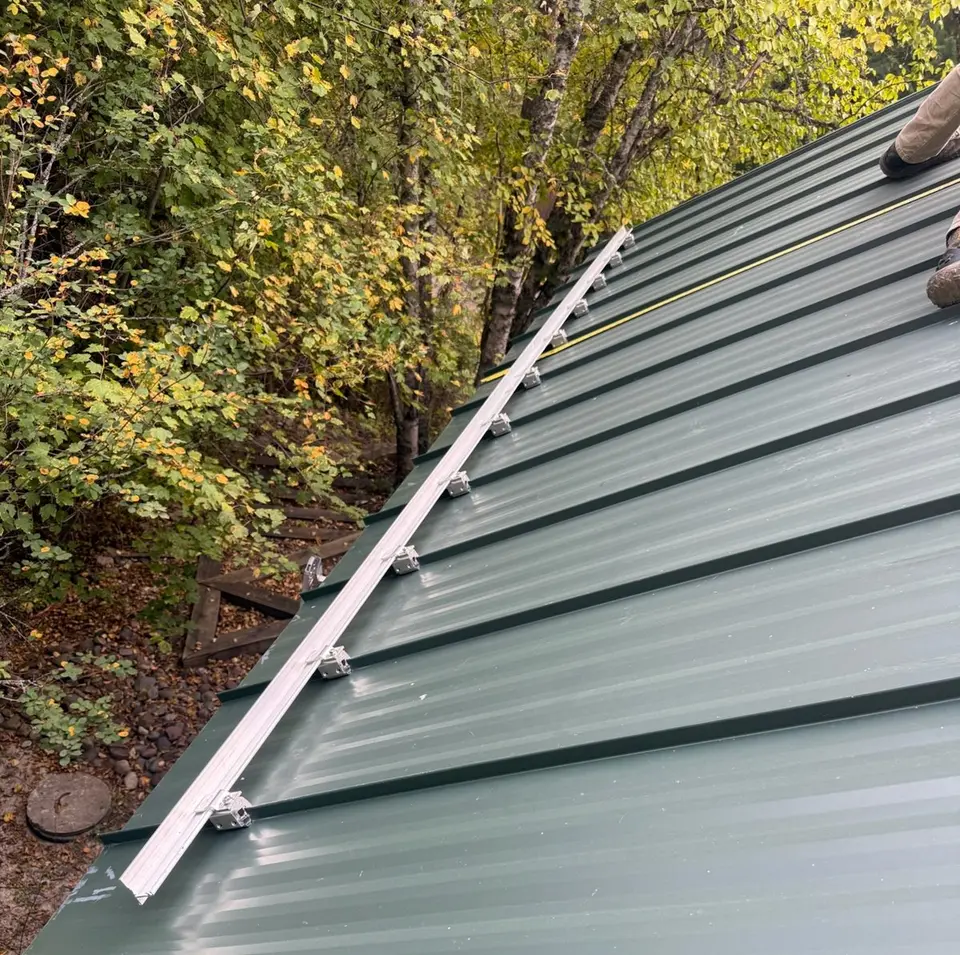
It’s also a hazard if nobody plans for it. Roof avalanches off metal can bury walkways, crush gutters, flatten shrubs, and land on vehicles. A metal roof over a front entry, deck, or driveway needs snow retention (snow guards or rail systems) engineered into the install, which adds cost and holds some snow anyway. When we quote metal, snow retention placement is part of the design conversation, not an afterthought.
Shingles hold snow. The granulated surface grips the snowpack, so it leaves gradually by melt rather than all at once. That’s safer around doors and driveways and gentler on landscaping. The tradeoff is that held snow melts from the bottom on warm attic days, and that meltwater refreezing at the cold eave is how ice dams form. On a shingle roof, ice dam defense comes from attic insulation, ventilation, and code-required ice barrier membrane at the eaves rather than from shedding.
Hail: dents versus fractures
Montana is a serious hail state. Farmers Insurance claim data has ranked Montana first in the nation for the share of springtime comprehensive auto claims caused by hail. The Flathead sees fewer severe hail days than the plains east of the divide, but valley storms still drop stones worth worrying about.
Metal doesn’t fracture, but it dents. A hailstorm can leave a steel roof functionally fine and cosmetically pocked, and many insurance policies carry cosmetic damage exclusions for exactly this reason. Thicker-gauge panels and textured finishes hide dings better than smooth, light-gauge panels.
The shingles we install are Class 4 impact rated under UL 2218, the highest rating in the test. Polymer-modified asphalt absorbs impacts the way a rubber mat does, so moderate hail often leaves no mark at all. Severe hail can still bruise or fracture any shingle, but a Class 4 product raises that threshold considerably, and individual damaged shingles are cheap to swap. If a storm does get the better of your roof, our storm damage repair crew documents everything with drone photos for your claim.
Lifespan: what the industry ranges actually say
General industry figures put steel roofing at 40 to 70 years of service life, and architectural asphalt shingles at 20 to 30. Those ranges are honest as far as they go, but two caveats matter in Montana.
First, install quality moves the number more than material choice. A metal roof with bad fastener work or sloppy flashing fails decades early. A shingle roof with proper ice barrier, ventilation, and nailing reaches the top of its range.
Second, the shingle range is a spread, not a single number. Bargain three-tab shingles sit at the bottom. Polymer-modified Class 4 architectural shingles, the only kind we install, are built to reach the upper end, because the rubberized asphalt resists the freeze-thaw embrittlement that ages standard shingles fast in our valley.
So the fair framing is: a metal roof is probably the last roof you’ll buy, and a quality shingle roof is a 25-ish year asset that costs meaningfully less up front. Which is smarter depends on how long you’re staying.
The noise and insulation myths
Two claims come up in nearly every metal-versus-shingle conversation, and both are mostly folklore.
“Metal roofs are loud in the rain.” That’s true of a metal barn roof over open framing. A residential metal roof goes over solid decking and underlayment, above an insulated attic. With that solid assembly underneath, rain on residential metal sounds much like rain on shingles, and most homeowners can’t tell the difference from inside.
“Metal roofs make your house cold in winter or hot in summer.” Your insulation lives in the attic, not the roofing material. A quarter-inch of asphalt insulates no better than a sheet of steel. What does matter is finish color and reflectivity in summer, where metal’s reflective coatings shed heat somewhat better, and attic ventilation year-round, which we address on every install regardless of material.
When we recommend each
We lean metal when: the home sits under heavy tree cover dropping needles and cones that shorten shingle life; the roofline is simple with long, open slopes that shed cleanly; the owner plans to keep the house for decades; or the home is a cabin or secondary place that sits unattended through winter storms. Around Whitefish, where mountain snowfall runs heavier than the valley floor and lots of homes sit in the trees, metal earns its premium often.
We lean shingles when: the roof has multiple dormers, hips, and valleys where metal detailing gets expensive and fussy; the budget needs to cover other projects too; entries and driveways sit under the eaves and shed avalanches would be a daily hazard; or the neighborhood’s look matters to the owner. For most stick-built homes in Kalispell proper, a Class 4 polymer-modified shingle system is the value play, and it’s what we’d put on our own houses in town.
Either way, every estimate starts the same: a drone survey of your existing roof so we’re both looking at the same facts before we talk options.
Frequently asked questions
Does a metal roof add more home value than shingles in Montana?
Both add value when they replace a worn roof. Metal typically returns a somewhat higher resale premium because buyers read it as a roof they’ll never replace, but it also costs more to install. Over a typical ownership window the value math is closer than either industry admits. Condition and install quality matter most to appraisers and inspectors.
Can you put a metal roof over existing shingles?
Sometimes, but we rarely recommend it. Overlays trap the old roof’s problems, hide the deck from inspection, and add weight. In a climate with a 50 psf design ground snow load in Kalispell, we want eyes on the decking. A tear-off lets us fix rot, re-flash properly, and install ice barrier on a clean deck.
Which handles Flathead Valley hail better, metal or shingles?
Class 4 polymer-modified shingles usually come through moderate hail with no visible damage, while metal resists puncture but can dent cosmetically, which some insurers exclude from coverage. For severe hail, both beat standard shingles by a wide margin. Check your policy’s cosmetic exclusion language before choosing metal in a hail-prone spot.
Do metal roofs need snow guards here?
Over entries, walkways, decks, gutters, and parking areas, yes. A standing seam roof can release an entire winter slope in seconds, and Kalispell’s snowfall gives it plenty of material. We design snow retention into every metal quote where shedding would endanger people or property, and leave open slopes free to shed.
Still weighing the two? Get in touch and we’ll fly the drone, look at your actual roof, and give you numbers for both.