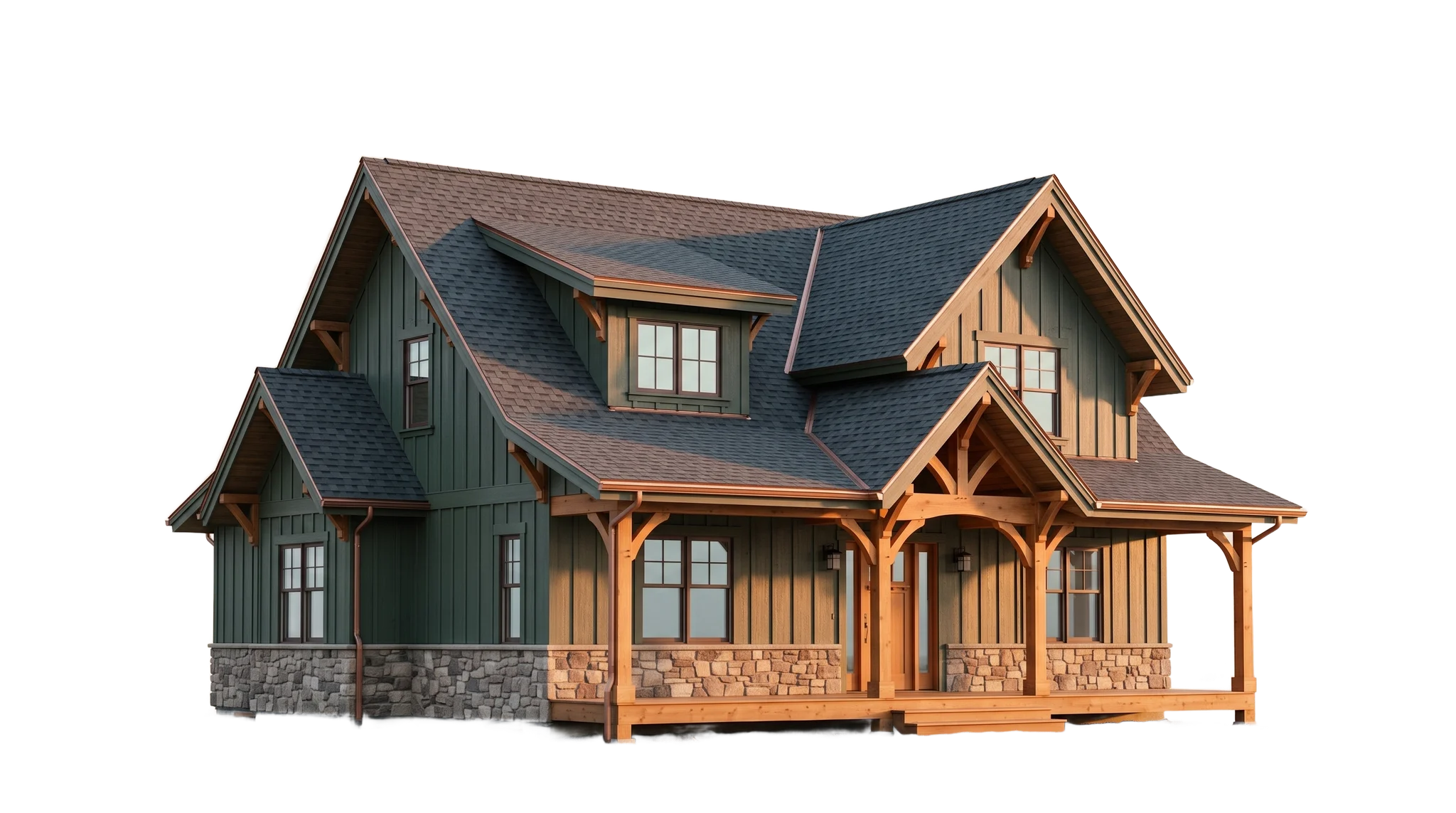
Commercial Flat Roofing in Kalispell, MT
Commercial flat roofing in Kalispell is a snow problem before it is a membrane problem. A flat roof cannot shed its load, so it carries the winter, and Kalispell's design ground snow load is 50 pounds per square foot under Montana's building rules. We install and service TPO, EPDM, and low slope metal on commercial buildings across the valley, from the brick blocks of downtown Main Street to the retail corridor on the north end of US 93, working out of our shop in Kila about 15 miles west of town. Every commercial estimate starts with a drone survey of the roof field, drains, and parapets.
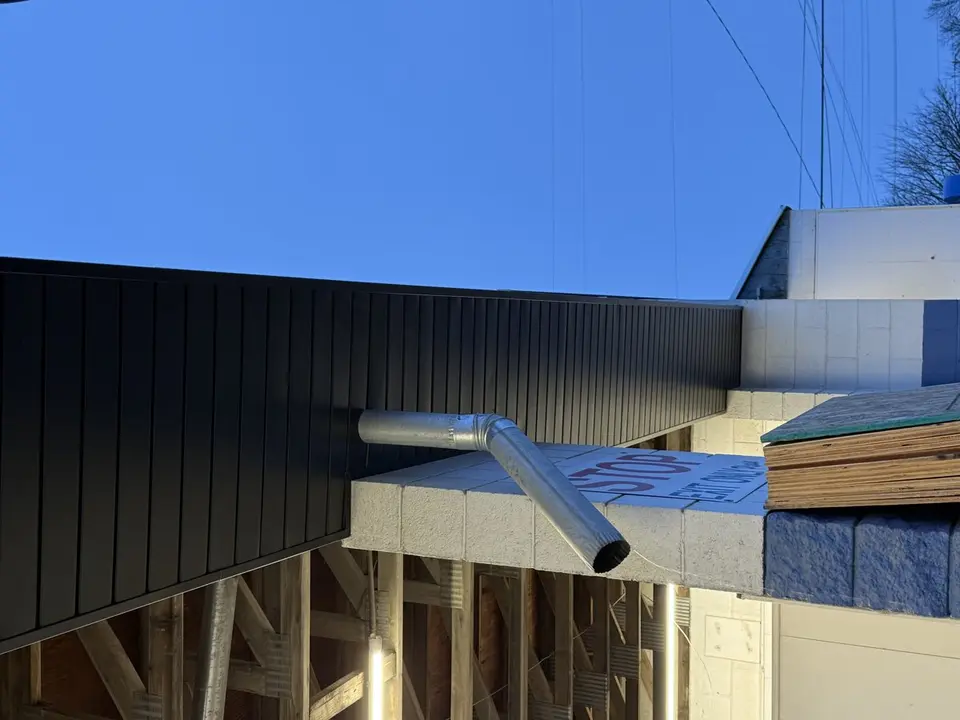
TPO, EPDM, or low slope metal
No single membrane is right for every Kalispell building, and a contractor who pushes one product on all of them is selling inventory. TPO is a white, heat-welded membrane whose seams fuse into a single sheet, and its reflectivity helps buildings with big cooling loads. EPDM is a dark rubber membrane with decades of cold-climate history; it stays flexible in low temperatures and picks up useful heat from winter sun. Low slope metal suits buildings with enough pitch to shed. We match the system to the building's structure, drainage, and rooftop equipment, and on commercial work the tear-off versus recover question moves the budget more than the membrane brand does.
- TPO: heat-welded seams, reflective, suits cooling-driven buildings
- EPDM: proven rubber membrane that stays flexible in deep cold
- Low slope metal: for buildings with enough pitch to shed load
- Recover versus tear-off assessed honestly, from the drone survey
Snow load, ponding, and drainage under a Kalispell winter
A pitched roof sheds; a flat roof accumulates. At Kalispell's 50 psf design ground snow load, a commercial flat roof spends months carrying serious weight, and drifting piles it unevenly against parapets, rooftop units, and taller neighboring walls. The load is half the story. The other half is water. Drains and scuppers freeze while the snowpack above them keeps producing meltwater, and in spring the whole winter's pack comes off through drainage that has to actually work. Every low spot announces itself as a pond, and standing water is where membranes age fastest: seams stay wet, debris collects, and freeze-thaw works at every weak point. We map ponding and check every drain during the survey, and chronic ponds put tapered insulation on the table.
The buildings this valley actually has
Kalispell's commercial stock splits into three broad groups, and each roofs differently. Downtown, the Main Street blocks around the Courthouse Historic District date to the early 1900s, brick buildings with parapet walls, aging internal drains, and generations of roofing layered up top; work here starts with finding out what is really under the surface. The north US 93 corridor is the opposite case: more than 370,000 square feet of commercial space went up on the city's north end between 2013 and 2018 around Hutton Ranch Plaza and Mountain View Plaza, big single-story footprints with modern decks and long membrane fields. South of downtown, the Old School Station business park off US 93 adds light industrial buildings to the mix. The failure modes differ, but the method does not: a drone survey and a drainage check before anyone quotes anything.
Winter access and maintenance, planned in advance
A commercial flat roof in Kalispell needs a winter plan along with the membrane. That means clearing drains and scuppers before freeze-up, walk pads so maintenance traffic does not grind through the membrane, and an agreed snow removal threshold set before the heavy weeks arrive. Cold-weather membrane repairs are possible, but access and safety on a loaded roof set the schedule. Between service visits we can re-fly the drone survey, a dated record of the roof's condition that does not wait for a leak to report it first.
The full picture of how we handle this work anywhere in the valley is on our flat & low-slope roofing page. This page is about Kalispell.