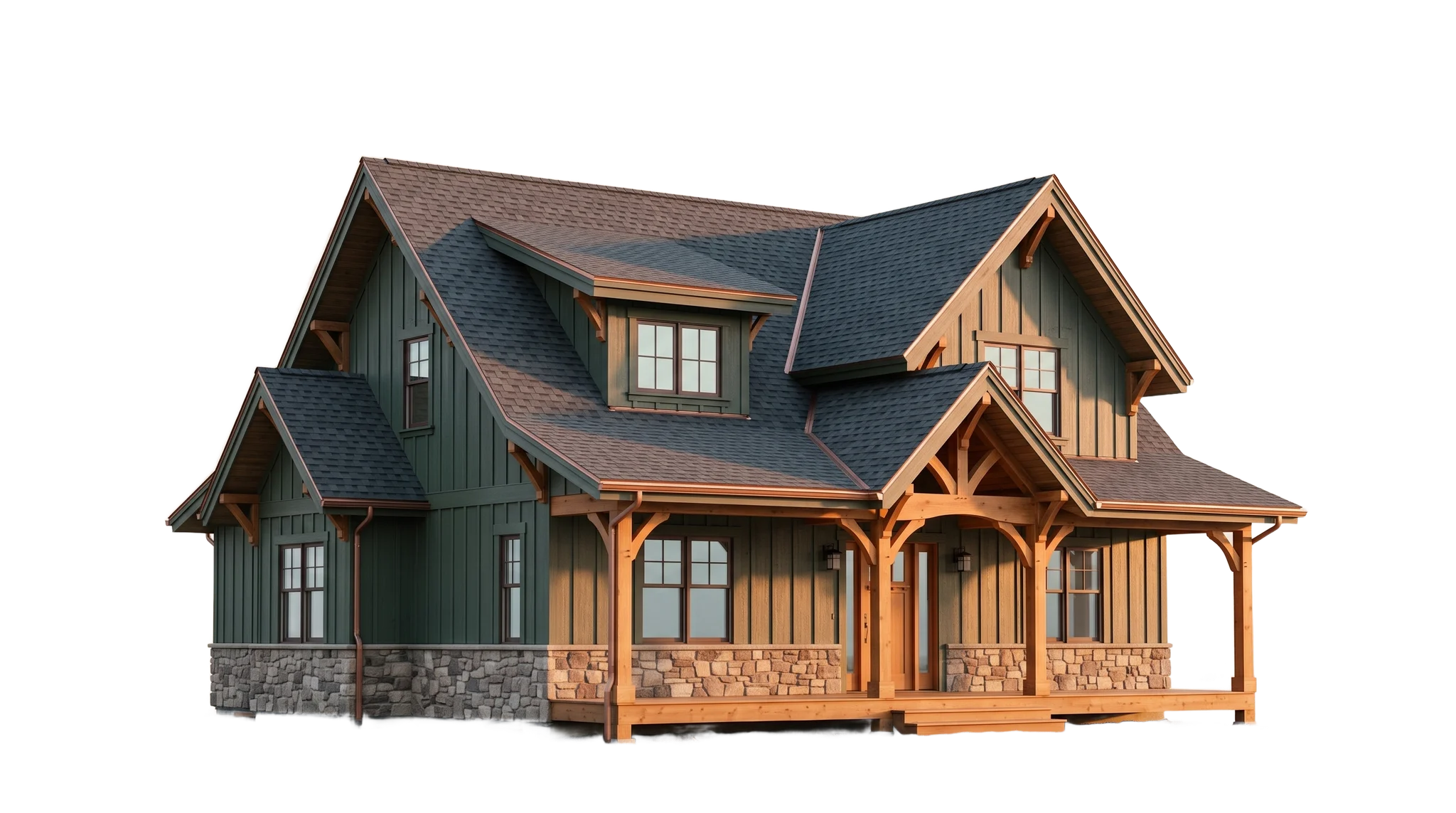
Shingle Roofing in Kalispell, MT
Shingle roofing in Kalispell has to answer for two things: hail in the summer and a roof full of snow from Thanksgiving to April. Standard asphalt shingles get brittle with age and crack when hail finds them, which is why we install Malarkey polymer modified shingles as our standard recommendation here, as a Malarkey Certified Installer working out of Kila, about 15 miles from town on US 2. Every estimate starts with a drone survey of your current roof, and you keep the photos.
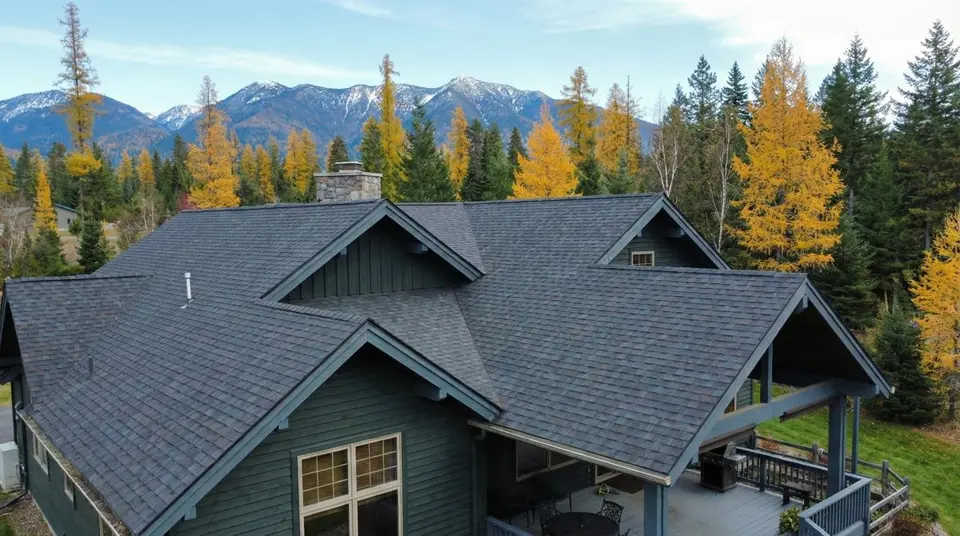
Why we install polymer modified shingles here
A conventional asphalt shingle is oxidized asphalt on a fiberglass mat, and it gets stiffer and more brittle every year it bakes on a roof. Malarkey builds its shingles with NEX polymer modified asphalt instead, blending the asphalt with rubber polymers so the finished shingle flexes under impact rather than fracturing. The same chemistry improves how the granules hold on, and granule loss is how most asphalt roofs actually age out. Malarkey's Vista and Legacy lines carry a Class 4 impact rating, the highest rating in the UL 2218 test, which drops a two-inch steel ball on the shingle from twenty feet and checks the back of the mat for cracking. That two-inch figure is not an abstraction in this valley.
Hail is a real Kalispell problem
In July 2022 a severe thunderstorm tracked across the Flathead Valley and dropped hail that the National Weather Service logged at up to two inches, golf ball size and larger, damaging homes and vehicles from south Kalispell through Columbia Falls. Storms like that are exactly what the Class 4 test simulates. A brittle, aged conventional shingle takes that impact as bruising and cracking in the mat, damage that often does not leak for months and is invisible from the ground. A polymer modified shingle absorbs the same hit by flexing. No shingle is hail-proof, but starting with an impact-rated one changes how often a post-storm survey finds bad news, and it is worth asking your insurer whether a Class 4 roof changes your premium.
- Polymer modified asphalt flexes under impact instead of cracking
- Drone documentation after any major hail event, on any roof
Built for the winter half of the year
A shingle roof in Kalispell holds its snow rather than shedding it, so the system under the shingles carries the winter. Kalispell's design ground snow load is 50 pounds per square foot under Montana's building rules, and a shingle roof wears much of that load for months at a stretch. What protects the house is the assembly: ice and water membrane at the eaves and valleys where melt refreezes, underlayment run correctly up the slope, and enough ventilation to keep the roof deck cold so the snowpack melts from the sun side instead of the house side. That last part is where ice dams are won or lost, because most of the ice damage we see traces back to a warm, under-vented attic rather than the shingles themselves.
The right install on both kinds of Kalispell houses
The certification matters because a Class 4 shingle installed wrong is just an expensive shingle. As a Malarkey Certified Installer we fasten to the manufacturer's nailing pattern, run the matching starter, hip, and ridge components, and get the ventilation math right, and we install Owens Corning systems the same way for owners who prefer them. The houses themselves span a century. The East Side, West Side, and Courthouse historic districts hold Craftsman, Foursquare, and revival-style homes from the early 1900s, where steep pitches and old plank decking mean the tear-off tells us things the estimate could not. The newer subdivisions on the north end toward Whitefish are simpler roofs with modern decking. The drone survey up front means we scope each house as what it is.
The full picture of how we handle this work anywhere in the valley is on our shingle roofing page. This page is about Kalispell.